
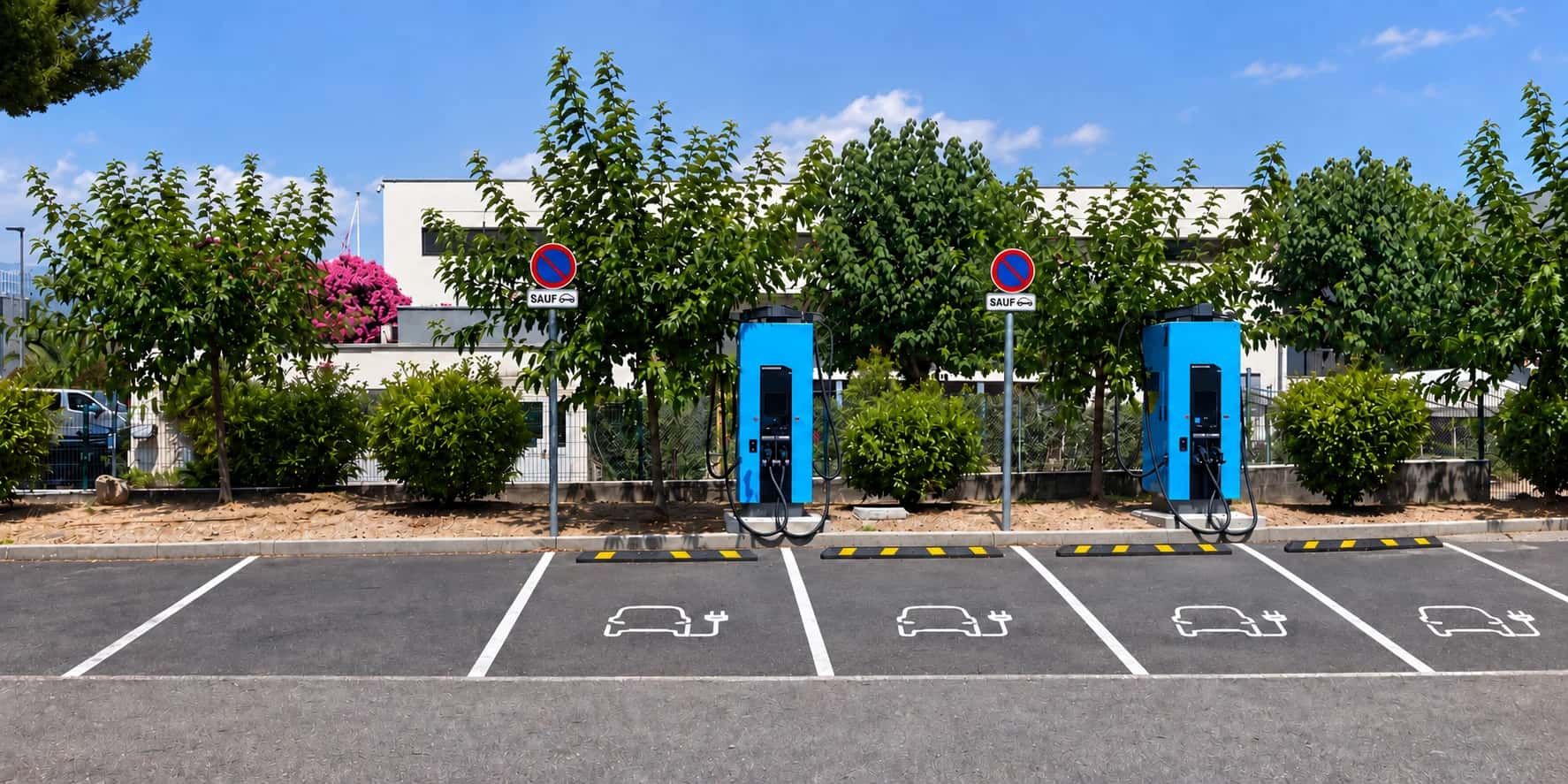
In short
ChargeTeam organises the maintenance and repair of your AC and DC charging stations in France and Belgium, with a qualified EV charging technician. You describe the fault or the visit you need; the scope, price and time slot are confirmed with you before any work. You receive a report at the end.
Safety comes before any work
If there is smoke, sparks, water or damaged equipment, stop using it, keep people away and call the emergency services if there is immediate danger. Do not open the charger and do not repeatedly reset a protective device.
Electrical risk prevention guidance · INRS (in French)Faulty charger: what problem are you facing?
The same symptom can have several causes. A photo or a fault code helps direct the request, but it is not enough to confirm a component failure.
- The charger is off: say whether the site’s other equipment is working and how long the fault has been present.
- The vehicle is connected but not charging: note the exact message, the authentication method used and any scheduled charging setting.
- Charging starts and then stops: note the time, the session duration and whether one vehicle or several are affected.
- The charger appears offline: report what the monitoring system shows, without changing network settings or sharing passwords.
Preventive, corrective or contract: one service, depending on your needs
A preventive visit does not replace dealing with a fault. You do not need a contract to make a one-off request.
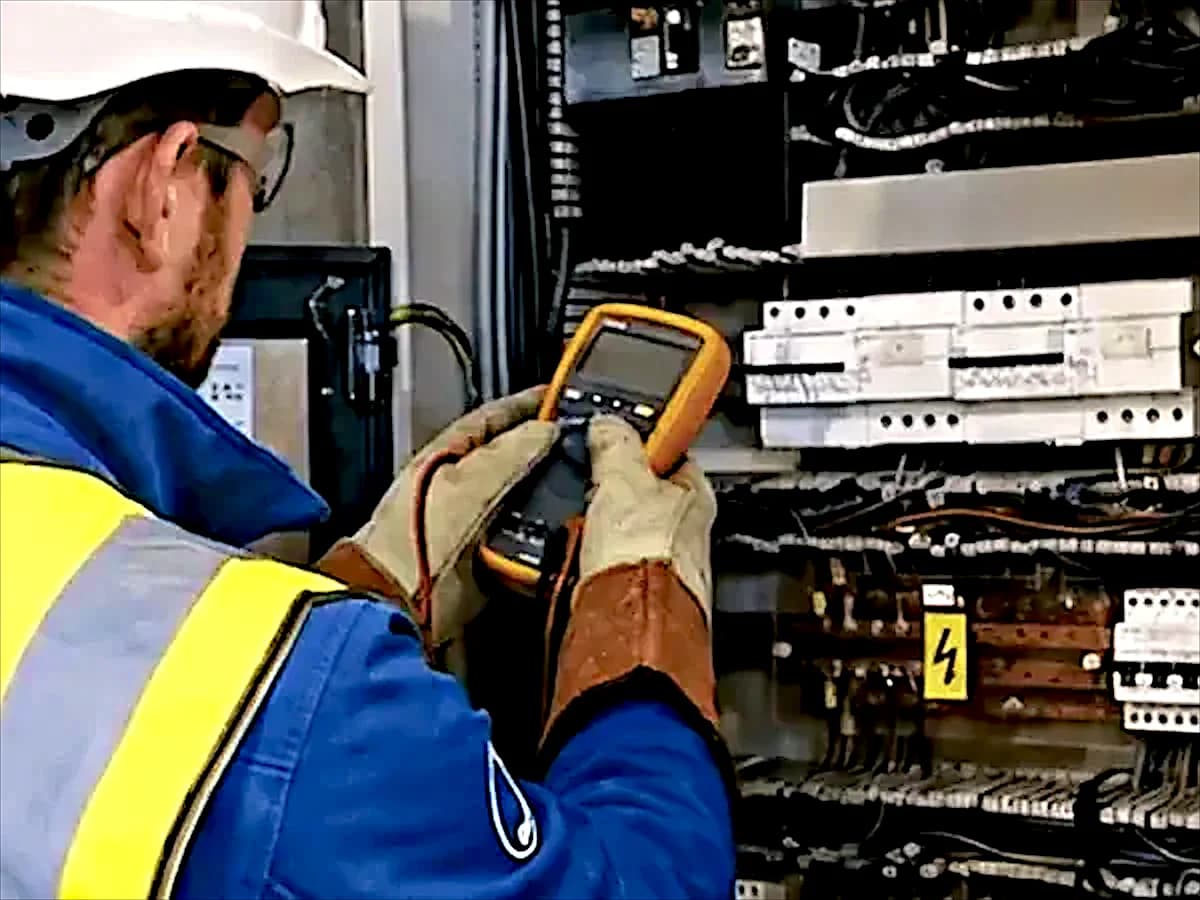
- Preventive: organise the scheduled visits for the equipment concerned, following the instructions and checks that apply to each model.
- Corrective (repair): diagnose an identified fault, propose the actions, then verify the result of the repair.
- Multi-site organisation: specify the sites, the service windows and the priorities so that the schedule fits your operations.
- Maintenance contract: set out explicitly the services included, the exclusions, the follow-up arrangements and any commitments on response times.
From request to report
Diagnosis and repair are two separate steps. A part should not be replaced on the strength of a mere assumption.
- Describe the fault or the visit you need in the quote request. The form does not commit you to accepting any work.
- The scope, site access and required skills are checked before a proposal is made.
- The price and terms are confirmed before any work. A part, additional work or a second visit may require further approval.
- The technician documents the checks carried out and the test results. If the charger cannot be put back into service, the report states the reservations and the next steps.
What your request needs to define
An AC charger in a car park and a DC rapid charging station do not call for the same preparation. The technician needs the right scope, authorised access and the applicable documentation.
- Identify the installed base: brands, models, number of charging points and how the bays are used.
- Separate scheduled operations, parts, updates and additional work. An update must be prepared for the specific model and version.
- Specify shutdown constraints, access permissions and whether other contractors will be on site.
- Define the expected deliverables: checks performed, observations, relevant photos, tests carried out, reservations and outstanding actions.
Price and timing: what needs to be confirmed
Travel, time spent on site, AC or DC technology and any parts all affect the cost. An estimate is not a guarantee of repair. The available slot depends on location, the skills available and access to the equipment. This page does not promise any immediate response time or 24/7 service.
How often should a visit be scheduled?
Frequency is set according to the manufacturer’s recommendations, the applicable contract, and the charger’s usage and environment. An annual visit cannot be presented as a universal rule. Report recurring faults between two visits: waiting for the next one may not be appropriate.
Follow-up you can act on, not just a ticked box
Specify which chargers were checked, which remain unavailable and what the next steps are. Maintenance is not a general certificate of compliance. Any regulatory inspections that may be required must be arranged separately with qualified professionals.
In Belgium
Requests in Belgium use the same form and the same follow-up through to the report: choose “Belgium” as the site’s country. Whether and when we can intervene is confirmed for each request.
Charging station maintenance in Belgium (in French)Frequently asked questions
Maintenance or repair: which should I choose?
It is the same service. Simply say whether the charger is faulty: if so, diagnosis takes priority; otherwise, the visit is preventive. In both cases, the price is confirmed before any work.
Can I open the charger to check it?
No. This page is for preparing a request, not for carrying out electrical work. Do not open any covers or bypass any protective device. Technical operations must be entrusted to a professional with the appropriate skills and electrical authorisations.
Do you work on all brands?
You can describe an AC or DC charger of any brand. Whether we can take on the job is confirmed based on the model, the available documentation, the skills required and access to parts. This does not constitute approval by each manufacturer.
Is an offline charger necessarily faulty?
Not necessarily. A communication, monitoring or authorisation issue can prevent charging. Describe the symptoms you have observed; the cause must be confirmed through the appropriate checks.
Can I request a single preventive visit?
Yes. Describe the equipment and the operations you need in the form. Scheduling and price are confirmed for that request; simply submitting the form does not create any subscription.
Are repairs and parts included?
That depends on the agreed scope. Ask for the visit, diagnosis, travel, parts and additional operations to be listed separately in the proposal. A preventive contract should not be assumed to cover every fault.
How can several sites be organised?
Give the locations, the priority equipment and possible dates. The team can look into grouping visits depending on availability and the skills required. The network map does not guarantee an available slot at every site.
Who should send the request for a shared charger?
The owner, the manager or their authorised representative must specify the site and the scope of the work. For a public charger, also report the problem to the operator shown on the charger.
Sources
Prepare your request
- Address of the charger and site access arrangements.
- Brand, model and power rating, if this information is available without opening the equipment.
- If there is a fault: the exact message or fault code, with the date and time.
- Number of chargers concerned, history of issues and date of the last service.
- Possible time slots and operating constraints.
- Useful exterior photos, without people, number plates or login credentials.
Do not include access codes. The information in your request is not intended to be published.
Further reading
These guides are in French.
- What to do when a charging station breaks down
- Understanding the price of a repair
- Preparing an EV charging maintenance contract
- Shared residential car park: who pays for the repair
- The journey for charging network operators
Written by ChargeTeam. Updated on October 13, 2026. This overview does not replace the model’s instructions or an on-site diagnosis.